Program Obliczeń Wielkich Wyzwań Nauki i Techniki
Nauka a technologia
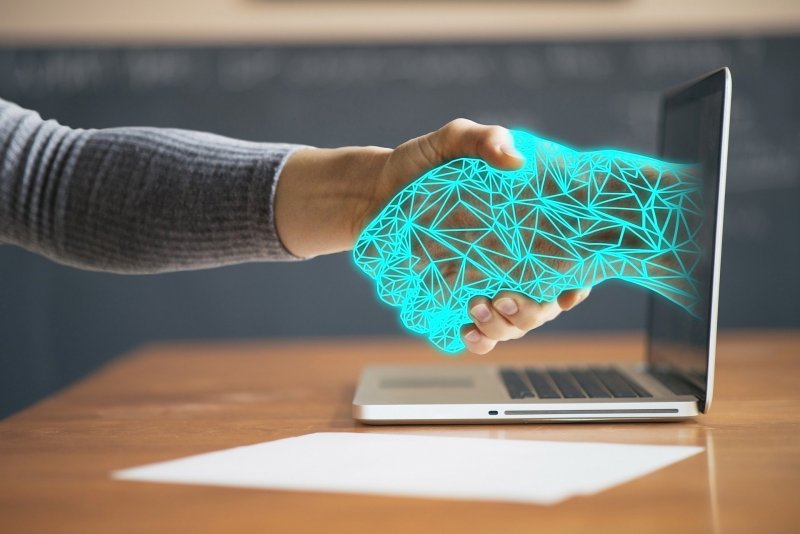
Nauka odgrywa olbrzymią rolę we współczesnym świecie - dzięki niej już udało się wynaleźć lekarstwo na Ebolę, które w 90% odniosło pozytywne skutki, a kiedyś być może uda się dzięki niej rozwiązać problemy globalne.
Z badania State of Science Index 2019 wynika, że ludzie są zafascynowani nauką, ale jednak bardziej zaczynają sobie cenić odkrycia technologiczne (ponad 50% ankietowanych na świecie). Mimo że 90% Polaków i 87% ludzi na świecie uważa, że nauka jest niezbędna, to kolejno 59% i 61% twierdzi, że to technologia ma większe znaczenie.
Bez względu na wyniki badania, faktem jest iż odkrycia nauki zostają wcielone w życie właśnie za pomocą technologii. Te dwie dziedziny nierozłącznie się ze sobą wiążą.
Jak technologia wpływa na nasze codzienne życie?
28 May 2021

Technologia towarzyszy nam na każdym kroku. Często nawet nie zdajemy sobie sprawy, jak mocny jest jej wpływ na nasze życie i jak wiele nam daje. Od technologii zależy aktualnie nasze samopoczucie, zdrowie, a często również życie.
Wszechobecna technologia
Nagła przerwa w dostawie prądu skończyłaby się katastrofą. Dlaczego? Technologia towarzyszy nam w każdej dziedzinie życia. Korzystamy z niej codziennie już od pierwszych sekund po przebudzeniu.
Budzik pomaga nam wstać o odpowiedniej porze. Ekspres do kawy, to oszczędność czasu i gwarancja, że rozbudzający napój będzie idealny. Poranne wiadomości pozwalają na ominięcie korków w drodze do biura i szybkie zaktualizowanie wiedzy na temat najważniejszych wydarzeń ze świata. Następnie korzystamy z komunikacji miejskiej, a w pracy z firmowego laptopa. Cały czas towarzyszy nam też niewielki, prywatny komputer w postaci telefonu komórkowego. Czy możesz jeszcze wyobrazić sobie życie bez niego?
Po powrocie do domu staramy się wypocząć przed kolejnym dniem. Oczywiście niektórzy mogą sobie pozwolić na odprężający spacer po lesie lub wizytę w SPA, jednak większość z nas korzysta głównie z rozrywek opartych na nowoczesnych technologiach.
Chętnie odpoczywamy, oglądając ulubiony serial, słuchając muzyki, czy grając. Najnowsze rozwiązania pozwalają chociażby na wejście do świata wirtualnego. Posiadacze gogli VR mogą udać się w dowolne miejsce, jak odległe kraje, fantastyczne światy, a nawet kasyna online. Jeśli chcesz dowiedzieć się więcej, odwiedź Polskiekasyno.com.
Przyszłość jest blisko
Technologia rozwija się niesamowicie szybko, a odkąd programy komputerowe dostały możliwość uczenia się, jest to prawie niewyobrażalna prędkość. W ciągu ostatnich lat pojawiło się wiele czarnych scenariuszy dotyczących technologii panującej nad naszym życiem. Nie należy jej jednak demonizować.
Wszechobecność technologii ma przede wszystkim wspomagać nas na codzień. Komputery wyręczają ludzi w obowiązkach, dając czas na rozwój pasji. Skomplikowane algorytmy analizują wielkie bazy danych, usprawniając działanie służby zdrowia, sugerując najbardziej opłacalne oferty podczas zakupów oraz najszybsze trasy podczas poruszania się po mieście w godzinach szczytu.
Świat zmierza w stronę coraz większej komputeryzacji. Za kilka lat ciężko będzie znaleźć na świecie miejsce bez dostępu do internetu. Wiąże się to oczywiście ze zwiększonym nadzorem nad codziennym życiem. Niektórzy twierdzą, że oznacza to ograniczenie prywatności, a wręcz stałą kontrolę instytucji rządowych nad wszelkimi działaniami podejmowanymi w internecie i poza nim.
Jest to w pewnym sensie prawda. Trzeba jednak mieć świadomość, że przeciętny obywatel nie jest dla tych instytucji obiektem wielkiego zainteresowania. Ich uwagę zwrócą przede wszystkim działania niepożądane takie jak próby nielegalnego handlu, cyberataki i wiele innych, a więc wszystko to, co dla zwykłego obywatela może się okazać niebezpieczne.
Na tym właśnie polega rola technologii. Ma dążyć do zapewnienia nam stopniowej poprawy warunków życia i minimalizować niebezpieczeństwa - szczególnie te, których niedoświadczony użytkownik rozwiązań technologicznych nie potrafi rozpoznać i zneutralizować we własnym zakresie.
Technologię stworzyli ludzie i to właśnie ludziom ma ona służyć. Nie martw się więc na zapas. Trzymając się podstawowych zasad bezpieczeństwa i nie łamiąc w znaczący sposób przepisów prawnych, możesz przeżyć wiele niezapomnianych chwil i wieść wygodne, piękne życie pełne nowoczesnych udogodnień. Korzystaj z niego i poznawaj technologię, żeby nie zagubić się w nieustannie rozwijającym się świecie!